Have you noticed your attention span shortening since you started regularly scrolling through social media?
“100% yes,” said freshman Genna Mazza, a psychology major. “I find it especially hard to sit through classes without refocusing myself every couple of minutes or so.”
Social media platforms such as TikTok and Instagram are adjusting their algorithms to promote longer videos over shorter ones in an effort to increase watch time. This shift may influence how students at Sacred Heart University consume media and maintain focus in academic settings.
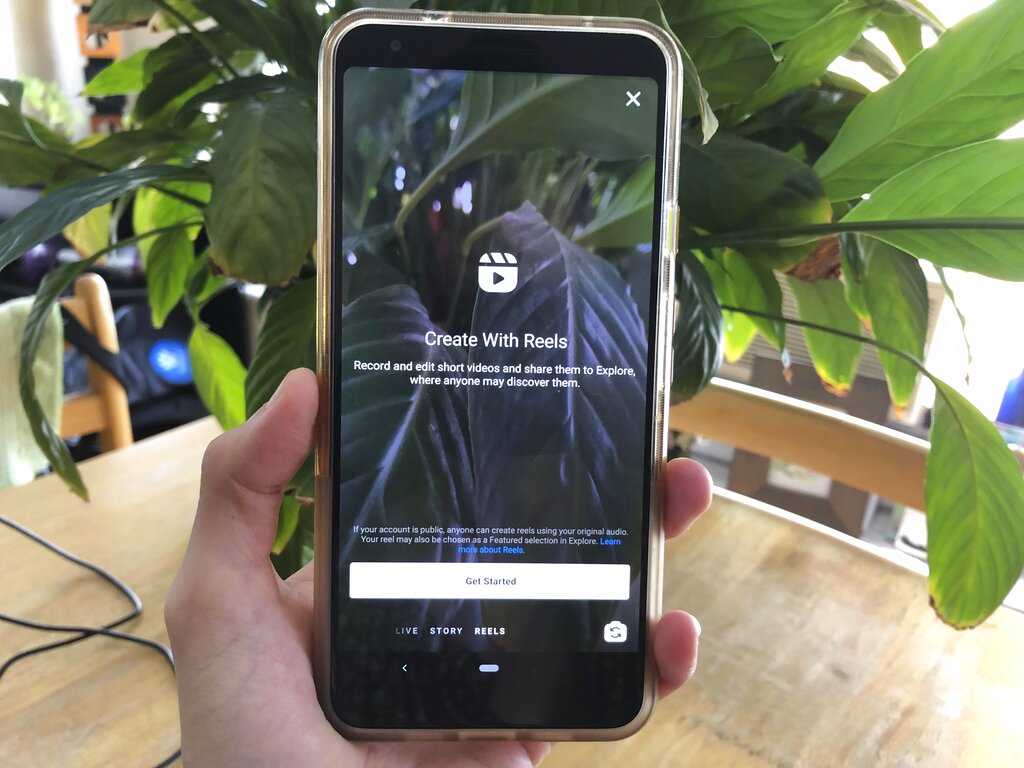
Source: Tali Arbel, AP Photo
Dr. Ololade Afolabi in the School of Communication, Media and the Arts (SCMA) at Sacred Heart University said these changes reflect broader platform goals.
“Social media platforms are generally looking for ways to keep audiences engaged and spend more time on their platforms,” said Afolabi. “The push for longer videos is driven both by the goal of capturing attention and by the platforms’ economic interest.”
Afolabi said that while users may spend more time on a single piece of content, it is unclear whether this will lead to changes beyond entertainment. Students said short-form content has already affected their ability to focus.
“I’ve noticed that students have difficulty sitting through lectures because they are so used to stimulating 15-second videos,” said Mazza.
“If I see a post on TikTok or Instagram that isn’t visually stimulating enough, I will scroll away,” said freshman Simone Kaden. “Usually, factors like fast-talking or vibrant images will keep me engaged.”
“Compared to middle and high school, I see a vast difference in my attention span, especially in classrooms,” said Kaden. “It is easier for me to grow bored during a lecture and daydream about anything but the present.”
According to research published in the National Center for Biotechnology Information, “an increased tendency toward mobile phone short video addiction could negatively impact self-control and diminish executive control within the realm of attentional functions.”
Researchers found that this relationship is linked to the prefrontal cortex, where brain activity associated with attention may decrease. The study suggests that because these videos require “minimal psychological effort,” users may struggle with the deeper focus required in academic environments.
“I think that this shift toward longer videos will definitely improve attention spans, maybe even in those who struggle with attention deficit disorders,” said Mazza. “By making longer videos the standard type of post on these platforms, I believe it will drive users to sit through these videos and even appreciate lengthy content.”
“I don’t think it’s necessarily harmful or beneficial,” said Afolabi. “It really comes down to people understanding why they’re using these platforms in the first place, whether it’s for social connection, streaming videos or entertainment.”
“The action that social media platforms are taking to promote longer videos makes me hopeful for future generations,” said Mazza. “I have faith now, rather than hindering students, social media can finally begin to help them.”